I traveled across Europe for years. One memory stays with me. Christmas in Germany blends folklore and everyday life.
Christmas markets glow with lights. Mugs of warm wine bring comfort in winter. You will spot Santa hats and ornaments. Laughter fills the air. Stalls sell gingerbread and treats shaped like Christmas trees.
These traditions run deep. They come from old European customs. During Advent, children roam the markets. Stories of St. Nicholas shape behavior.
German holiday magic is real. It is lived daily through culture and rituals. There is a sense of wonder. Every holiday trip here feels personal and cozy.
fun facts about christmas in germany
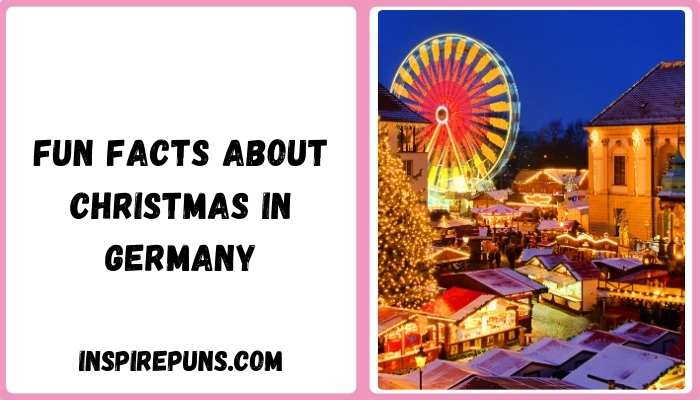
Christmas in Germany is a festive mix of old-world traditions, cozy winter vibes, and charming quirks that have shaped how much of the world celebrates the season today.
From bustling Christmas markets and steaming mugs of Glühwein to folklore figures like St. Nicholas and Krampus, German Christmas culture blends warmth, history, and humor.
These fun facts highlight the lighter, playful side of German holiday customs—proof that Christmas in Germany is as entertaining as it is magical.
- Germans don’t just drink Glühwein—they treat it like central heating in a mug.
- Christmas markets exist so people can “just browse” for three hours straight.
- Gingerbread in Germany has been around so long, it probably has its own family tree.
- The Christmas tree started in Germany—because decorating a tree indoors felt perfectly reasonable.
- Germans light Advent candles to count down to Christmas… and test patience.
- St. Nicholas fills shoes with treats, proving stockings were just a later upgrade.
- Krampus exists to remind kids that Santa isn’t the only one watching.
- Germans say “cozy” so often at Christmas it should be a seasonal greeting.
- Christmas markets are where “just one drink” turns into four mugs of mulled wine.
- Ornaments in Germany are so detailed they look like they have backstories.
- Germans take Christmas traditions seriously—but still laugh while doing it.
- The cold winter air somehow makes sausages taste even better.
- Christmas lights are hung so perfectly they feel professionally supervised.
- Germans invented Advent calendars to make waiting slightly less painful.
- Kids behave better in December thanks to Nicholas… and fear of Krampus.
- Tannenbaum songs are sung with more feeling than most pop ballads.
- Christmas markets prove shopping is more fun when snacks are mandatory.
- Germans drink mulled wine like it’s part of the food pyramid.
- Holiday cheer increases dramatically after the first sip of Glühwein.
- German Christmas culture mixes warmth and spooky in the most festive way possible.
- Winter in Germany feels colder—but somehow more cheerful.
- Christmas trees are treated like honored guests in German homes.
- Germans celebrate Christmas so well they export the idea worldwide.
- Ornaments are collected like memories, not decorations.
- Christmas laughter in Germany carries farther in the cold air.
- Seasonal treats disappear faster than you planned to eat them.
- German Christmas markets turn adults into excited kids again.
- Every mug of Glühwein comes with a free feeling of holiday magic.
- Christmas in Germany makes you forget you were ever cold.
- After one German Christmas, every other holiday feels underdressed.
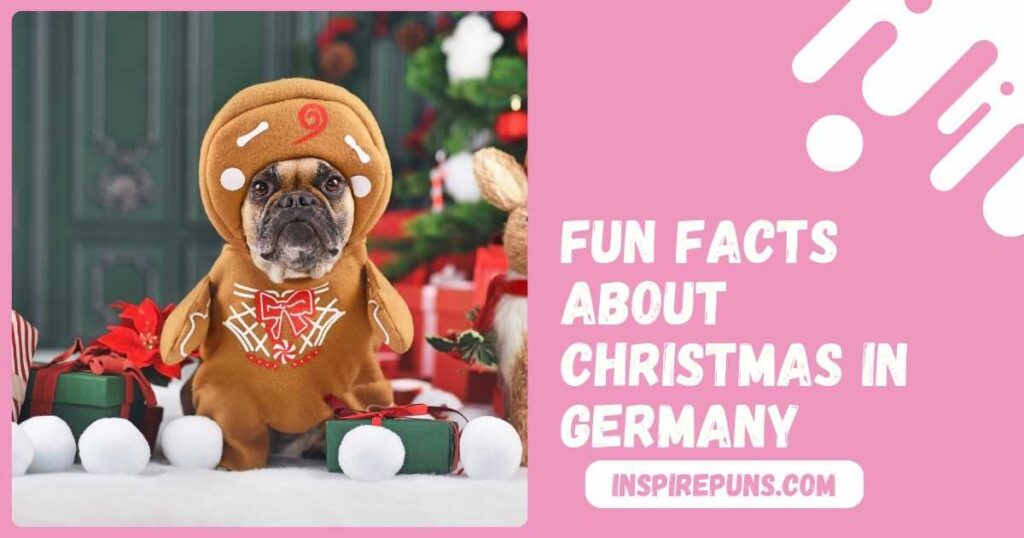
Fun Facts About Christmas in Germany for Kids
Christmas in Germany is full of cheerful traditions, tasty treats, and playful stories that kids love.
From colorful Christmas markets and sparkling lights to sweet gingerbread and fun Advent customs, German Christmas celebrations feel like stepping into a storybook.
These kid-friendly fun facts mix learning with laughs, making Christmas in Germany exciting, easy to imagine, and full of surprises.
- Germany is where the Christmas tree tradition began.
- German Christmas markets look like tiny holiday villages.
- Kids love Advent calendars because they get a treat every day.
- Gingerbread has been baked in Germany for hundreds of years.
- Germans drink warm spiced juice called Glühwein—kids get the juice version!
- St. Nicholas puts treats in children’s shoes on December 6.
- Christmas lights shine extra bright in German towns.
- Ornaments are often handmade and very colorful.
- Krampus is a spooky character used to remind kids to behave.
- German Christmas cookies come in many fun shapes.
- Christmas markets smell like sweets and spices.
- Kids sing songs about the Tannenbaum, the Christmas tree.
- Germans decorate trees with candles and lights.
- Winter makes Christmas feel extra cozy in Germany.
- Some towns have Christmas markets older than castles.
- Children help decorate cookies and ornaments at home.
- Germany helped make Christmas traditions popular around the world.
- Christmas time in Germany feels like a fairy tale.
- Kids wear warm clothes and enjoy winter fun outside.
- Gingerbread houses are very popular during Christmas.
- Advent candles help families count down to Christmas Day.
- German Christmas trees are often real pine trees.
- Families laugh, sing, and celebrate together.
- Holiday treats disappear quickly because they’re so tasty.
- Christmas markets are fun places for kids to explore.
- German Christmas stories are passed down through families.
- Decorations stay up through the holiday season.
- Kids look forward to Christmas surprises every day in December.
- Germany’s Christmas traditions are shared across Europe.
- Christmas in Germany is all about joy, warmth, and fun.
Fun Facts About Christmas in Germany for Students
Christmas in Germany offers students a fascinating mix of history, culture, and seasonal traditions that have influenced celebrations around the world.
From the origins of the Christmas tree to long-standing Advent customs and festive markets, German Christmas traditions provide meaningful insights into European heritage.
These fun facts are written to be engaging, educational, and easy to remember, making them ideal for students studying culture, history, or global traditions.
- Germany is widely recognized as the birthplace of the modern Christmas tree.
- Many traditional Christmas markets in Germany date back to the Middle Ages.
- The word “Tannenbaum” refers to the fir tree used as a Christmas tree.
- Advent calendars were first popularized in Germany during the 19th century.
- St. Nicholas Day is celebrated on December 6 with gifts placed in shoes.
- Glühwein is a traditional hot spiced drink enjoyed during the winter season.
- German Christmas traditions strongly influenced celebrations across Europe.
- Gingerbread, known as Lebkuchen, has historical roots in German monasteries.
- Christmas markets play an important role in community life during December.
- Many German ornaments are handcrafted using traditional methods.
- Folklore characters like Krampus are part of regional Christmas stories.
- Christmas celebrations in Germany emphasize family and cultural heritage.
- Candle lighting during Advent symbolizes hope and anticipation.
- Winter weather shapes how Christmas is celebrated across the country.
- German Christmas customs vary by region but share common themes.
- Music is central to Christmas, including carols and classical compositions.
- Germany’s festive traditions helped shape global holiday culture.
- Seasonal foods are closely linked to historical farming cycles.
- Christmas decorations often reflect local craftsmanship.
- German Christmas markets attract millions of visitors each year.
- Storytelling is an important part of Christmas traditions.
- The Christmas season blends religious and cultural practices.
- Holiday celebrations emphasize warmth during the cold winter months.
- Many German families decorate their homes weeks before Christmas.
- Christmas traditions are passed down through generations.
- Germany’s Christmas culture balances celebration and reflection.
- Festive lights help create a sense of community in winter.
- The holiday season supports local artisans and markets.
- Christmas in Germany highlights the value of shared traditions.
- German Christmas customs continue to influence modern celebrations worldwide.
Fun Facts About Christmas in Germany for Preschoolers
Christmas in Germany is bright, happy, and full of simple traditions that preschoolers can enjoy and understand.
With twinkling lights, yummy treats, songs, and special holiday stories, German Christmas celebrations feel playful and warm.
These fun facts are written in very easy language, making them perfect for young children learning about holidays around the world.
- Why do German Christmas trees never get lost? They always stick to the Tannenbaum!
- Why did the gingerbread cookie smile? Because Christmas was coming!
- What do German kids say to a Christmas tree? “You look pine-tastic!”
- Why did the Christmas light feel happy? It got to twinkle all night!
- What do you call a cold Christmas drink in Germany? A “brrr-y” special one!
- Why do Christmas markets smell so good? They’re full of yummy treats!
- What did the ornament say to the tree? “Hang in there!”
- Why do kids love Advent calendars? Every door says “surprise!”
- What does Santa wear in Germany? A smile and maybe a funny hat!
- Why did the gingerbread house giggle? It was full of sweet jokes!
- What do Christmas lights do at bedtime? They glow-bye!
- Why did the Christmas tree feel proud? Everyone said it looked nice!
- What do kids hear at German Christmas markets? Music, laughter, and “wow!”
- Why did the mug feel warm? It was full of holiday hugs!
- What did the snow say to Christmas? “Let’s play!”
- Why do ornaments love Christmas? They get to shine!
- What do kids like best at Christmas time? Songs, sweets, and smiles!
- Why did the candle feel calm? It liked cozy nights!
- What does a Christmas tree eat? Orna-mint cookies!
- Why did the bell go ding-ding? Because it was excited!
- What do German kids do in winter? Bundle up and have fun!
- Why was the Christmas cookie dancing? Because it heard music!
- What did the Christmas star say? “Look up!”
- Why do families smile at Christmas? Because they’re together!
- What color do kids love at Christmas? All of them!
- Why did the toy laugh? Because it was happy!
- What do lights do when it’s dark? They sparkle!
- Why did the tree love winter? Because it felt festive!
- What do kids say on Christmas morning? “Yay!”
- Why is Christmas in Germany fun? Because it’s full of joy!
Christmas in Germany Traditions
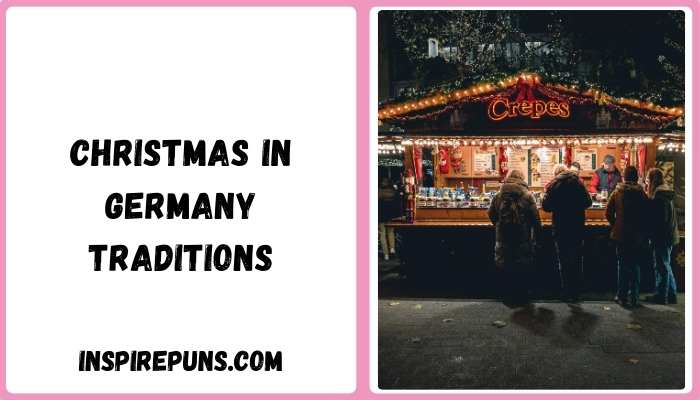
Christmas in Germany is full of unique traditions that make the holiday season magical, cozy, and sometimes a little spooky.
From the twinkling Christmas markets and decorated Tannenbaum to St. Nicholas visiting children and Krampus keeping mischief in check, German holiday customs are rich with history, fun, and festive cheer.
These jokes highlight the playful side of German Christmas traditions, making them fun for kids, students, or anyone curious about holiday culture.
- Why does the Tannenbaum never get lonely? Because it’s always surrounded by ornaments!
- Why do German kids love Advent calendars? Every day brings a tiny surprise!
- What does St. Nicholas carry in Germany? A bag full of giggles and sweets!
- Why is Krampus so scary? Because he never learned to share candy!
- Why do German Christmas markets smell amazing? Because gingerbread is on every corner!
- What do ornaments say to the Christmas tree? “You make us sparkle!”
- Why is Glühwein so cheerful? Because it warms both hands and hearts!
- What do German kids leave for St. Nicholas? Their shoes—and maybe a carrot!
- Why did the gingerbread man cross the street? To get to the Christmas market!
- Why do Germans love Christmas lights? Because even trees deserve to shine!
- What’s Krampus’ favorite game? Hide-and-scare!
- Why do mugs of mulled wine never get bored? They’re always part of the fun!
- Why are Christmas cookies so polite? They always say “have a sweet day”!
- Why do Germans sing so many carols? Because even the snow likes music!
- What do children shout when they see St. Nicholas? “Yay, treats!”
- Why do Christmas markets feel magical? Because every corner smells like cookies!
- Why does the Tannenbaum never complain? It’s used to hanging around all month!
- What’s a gingerbread house’s favorite activity? Making friends with candy canes!
- Why is Krampus always in shape? He runs around checking naughty lists!
- What do German kids wear to stay warm at markets? Cozy hats and smiles!
- Why do ornaments get along with each other? They stick together on the tree!
- What did the candle say to the Advent wreath? “You light up my life!”
- Why do Germans put stars on top of trees? To keep Santa on the right path!
- What do Christmas lights do when no one is looking? They wink!
- Why is Glühwein perfect for winter? Because it hugs you from the inside!
- Why do cookies disappear fast in Germany? Because everyone wants a piece of Christmas magic!
- What’s the Tannenbaum’s favorite song? “O Christmas Tree, O Christmas Tree!”
- Why do children love visiting markets? Because every stall is a mini adventure!
- What did the snowflake say at the Christmas market? “I’m falling for these treats!”
- Why is Christmas in Germany unforgettable? Because it mixes fun, warmth, and a little bit of mischief!
Christmas in Germany
Christmas in Germany blends rich traditions and festive markets. Twinkling lights bring warmth and joy to cold winter months.
St. Nicholas leaves treats in shoes, while the spooky Krampus keeps mischief in check. Every custom adds charm to the holiday season.
You can sip warm wine, admire the Christmas tree, and enjoy gingerbread treats. German Christmas traditions create memories filled with laughter and wonder.
They bring festive cheer for all ages, making the holiday season truly magical. 🎄✨
fAQs
Q: When is Christmas celebrated in Germany?
A: December 24–26 is the main celebration.
Q: What is a Tannenbaum?
A: A German Christmas tree.
Q: Who is St. Nicholas?
A: A figure giving treats to kids.
Q: What is Krampus?
A: A spooky German Christmas character.
Q: What is Glühwein?
A: Hot spiced German wine.